
Want to create a product catalog? Good call.
A catalog lets you display a curated collection of your product imagery complete with descriptions, pricing information and images. It’s your brand’s visual and informational showcase, designed to guide potential customers toward making a purchase.
This article explores what an effective product catalog looks like and shares best practices and tips for creating catalogs that drive revenue as well as an innovative way to save on product photography costs.
Table of Contents:
- What Is a Product Catalog?
- Why Do You Need a Product Catalog?
- Do Brands Still Rely on Product Catalogs?
- What your product catalog might look like
- What Makes a Compelling Product Catalog?
- 5 Best Practices for Creating a Product Catalog That Generates Serious Revenue
- Designing a Product Catalog: Key Points
What Is a Product Catalog?
A product catalog is a document enlisting essential product information such as product dimensions, pricing, material and more.
Both B2B and B2C industries leverage product catalogs. And, they aren’t limited to the eCommerce space. Service-based businesses and offline shops use product catalogs too.
The aim? Well, that depends on who the audience is.
So if a buyer were browsing through your product catalog, the goal would be to convert them. Similarly, if a sales rep were using it, the aim would be to provide them with product information to encourage contextual conversations that convert prospects into buyers.
Note that product catalogs come in various shapes and sizes.
Meaning: you can design physical, magazine-like product catalogs and online documents such as interactive PDFs or upload them on your site.
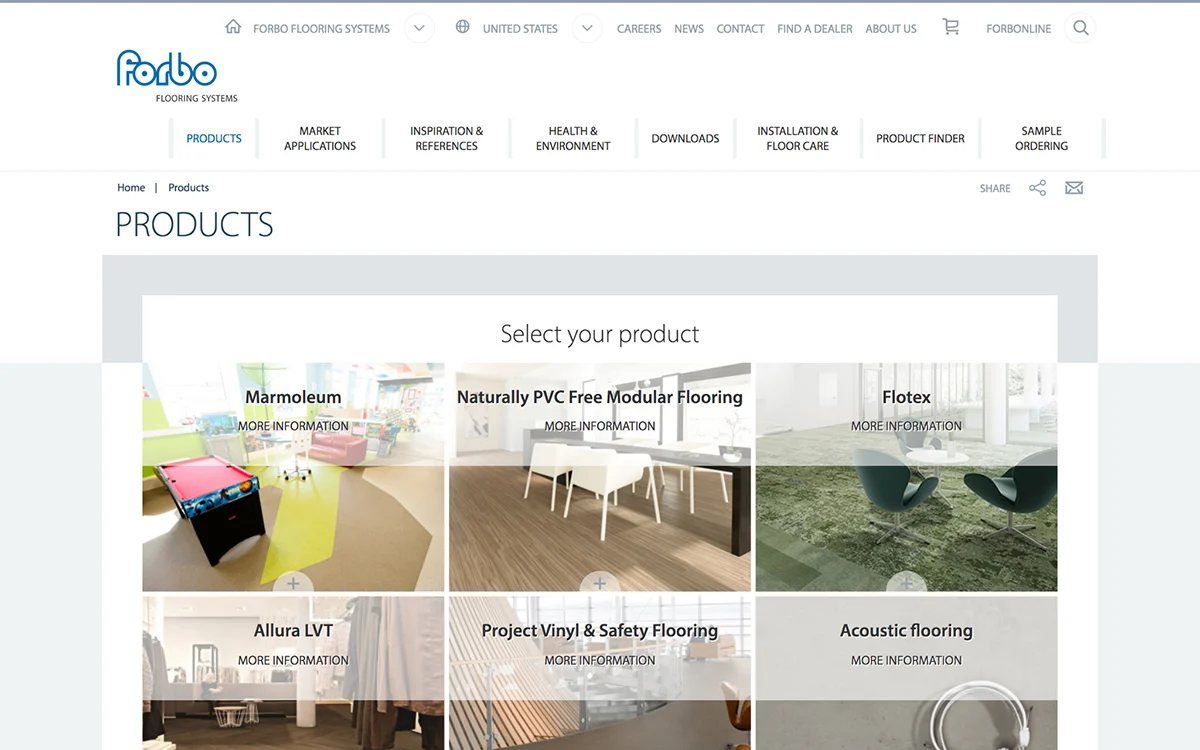
Forbo Holding, a floor coverings manufacturer, for example, has both PDF catalogs (organized on their site) and a digital library of their products that users can browse based on the product category they select.
In fact, with online shopping on the rise (2.14 billion or 27.6% across the globe shop online), online product catalogs are a lot more useful than paperback product catalogs.
That said, the choice is yours considering you’re the best judge of who your audience is and what their shopping preferences are.
Why Do You Need a Product Catalog?
Chiefly, you need a product catalog to categorize products in an easy-to-understand manner so its reader can either source information easily or make their buying decision based on the info.
Here’s a rundown of other reasons why you need a product catalog:
1. Helps with decision-making
A product catalog helps buyers decide the products they want to buy from you based on the product information.
Think about buying a desk without seeing it in person. You want to know if it’ll fit in your home office, right? With a good catalog, you can quickly scan through 20 different desks, check their sizes, see what they’re made of and compare prices all without playing email tag with a sales rep or driving to multiple stores.
2. Shortens buyer’s journey and improves user experience
A well-designed catalog puts you forward as a professional business that offers value every step of the way.
Since most shoppers are buying online or, at least, starting their search online a product catalog (improves and) shortens their buyer’s journey by providing them the information they need to make their decisions.
What’s more, by creating interactive catalogs, you can also improve their user experience, making it easy for them to learn more about you, read case studies, customer reviews and so on.
3. Assists with planning new product offering
By giving an overview of all commercial product information, a product catalog also helps product marketing managers outline and map new product offerings.
For example, if a clothing retailer notices their catalog lacks winter accessories while having extensive summer wear, they can plan their next season’s inventory accordingly.
4. Improves the sales process
A product catalog makes it easy for sales reps to source product information from one place. This allows them to have meaningful sales conversations, which better engages prospects and improves conversion rates.
For instance, rather than saying “let me check and get back to you,” a car salesperson can immediately confirm specific engine specifications or available trim levels during a customer conversation.
5. Provides useful reference materials for marketers
Marketers can easily refer to the product details such as colors available and discounts to share enticing product details in the content they create and ads they run.
A makeup company’s marketing team, for example, can easily verify ingredient lists, shade ranges and special offers when creating social media posts or email campaigns.
6. Reduces employee onboarding and training work
With a solid product catalog, new hires such as salespeople get a referenceable document that gives them all the product details they need.
Instead of shadowing someone for weeks or constantly asking colleagues for help, they can dive into the catalog and learn about products at their own pace.
Not only does this reduce the work that goes into training employees but also reduces the back and forth involved in getting product information from specific departments.
7. Serves as a reference guide for external partners and field marketers
Finally, external partners such as agencies and value-added sellers can refer to your catalog for product details to share with their buyers.
In the same vein, field marketers use a catalog paired with a fact sheet to provide accurate product and pricing details to customers they give product demos to.
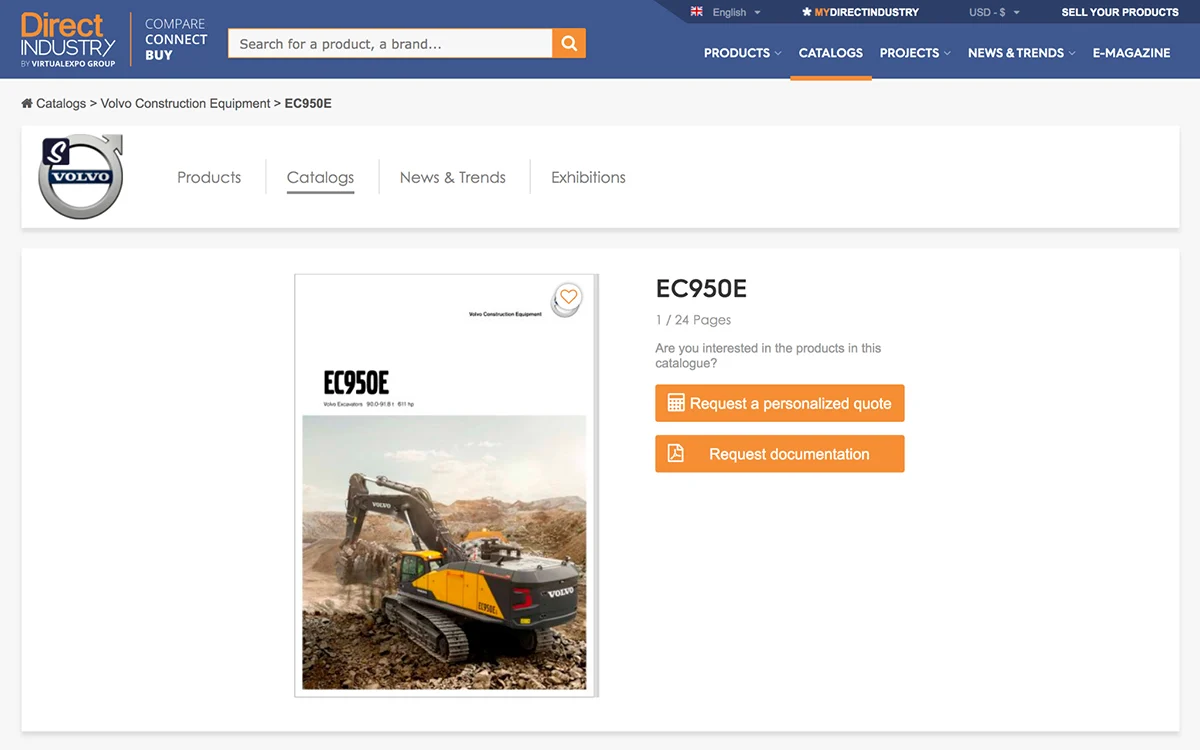
Bonus: Use your product catalog to generate leads. This one is a hat tip to Volvo that displays all its product catalogs on its site like a library. When a user selects the document they want to view, though, they ask for their email address and whether they’d like to receive a personalized quote too.
Do Brands Still Rely on Product Catalogs?
Yes, brands still make product catalogs but they’ve evolved. While glossy print catalogs have lost some of the relevance they once had, digital catalogs have become the new standard for eCommerce and retail businesses.
Catalogs, whether print or digital, do more than tile packshot photos; a good product catalog includes plenty of creative product photography. It tells a story, guiding customers through collections and making it easier to reach purchasing decisions.
Imagine you’re launching a seasonal clothing line. Your catalog can highlight outfit pairings and must-have trends for the season. For limited-time offers, such as Black Friday sales, a product catalog displays your best deals and sparks urgency.
What your product catalog might look like
Examples of product catalogs include print, PDF and interactive formats. Which approach you take depends on your business model, audience and marketing goals. While physical catalogs cater to traditional or luxury audiences, digital formats offer flexibility and accessibility for a larger base of consumers.

1. Print catalog
Print catalogs resonate with specific audiences, making them valuable tools for certain industries. This tangible format excels for luxury or premium brands where presentation matters as much as the product itself.
Luxury fashion houses, high-end home decor brands and niche industries with a devoted audience still use print catalogs to showcase their product line. For these brands, the tactile experience of flipping through pages can evoke a sense of exclusivity and sophistication that aligns with their identity.
For example, a high-end clothing line might release a seasonal print catalog each quarter featuring curated looks and styled creative product photography.
Print product catalogs also cater to customers who prefer the slower, more deliberate process of browsing physical materials. They’re ideal for reaching older demographics or segments that value tradition over technology. And in a digital-saturated world, there’s an allure to receiving a meticulously crafted catalog in the mail, which can help reinforce brand loyalty.
2. PDF catalog
PDF catalogs bridge the gap between traditional print and fully interactive digital formats. They’re easy to share and can be designed to replicate the aesthetic appeal of traditional catalogs while offering the convenience of digital access.
These catalogs are common for B2B wholesalers, retail brands and product manufacturers as they provide detailed and easy-to-access product information to clients, partners and customers.
For example, a furniture company might use a PDF catalog to showcase its new collection, complete with dimensions, pricing and material specifications.
PDFs are also popular for businesses that want to keep their catalog format consistent across multiple devices and channels. They’re great for emailing to clients or embedding within a mobile app.
3. Interactive catalog
Interactive catalogs combine the detailed presentation of a traditional catalog with dynamic elements like clickable product links, embedded videos and customizable views.
Ideal for eCommerce, tech and lifestyle brands, interactive catalogs are designed to engage modern, digitally native audiences. For example, an outdoor gear company could create an interactive catalog that lets users explore a virtual camping scene, clicking on tents, backpacks and gear for in-depth product descriptions and purchasing options.
These catalogs allow brands to build a narrative around their products. Features like 360° views and animations can further immerse customers in an engaging virtual shopping experience.
Where this format really shines is in its ability to drive conversions. Customers can seamlessly transition from browsing to purchasing, which reduces friction in the buyer journey. And because they’re digital, they’re easy to update, scale and distribute globally without the logistical challenges of print.
What Makes a Compelling Product Catalog?
Before you start your product catalog creation, it’s helpful to know the elements of a good catalog. During the writing and design process, keep these qualities in mind.
1. Consistent
Your product catalog is the centerpiece of your print advertising campaign. With your product catalog creation, be sure it uses the same style, colors and typographical elements of your other printed marketing products. Include your logo and be sure your branding stays consistent.
2. Easy to use
The best catalogs are easy to use. They make it simple for readers to find exactly what they’re looking for and easy to picture how those products fit into their daily lives. Show the products in use, so they can imagine using them to improve their lives. Make the pricing clear and use callouts and highlight to point to offers, discounts, clearance items and other exclusive offers.
3. Appealing
People enjoy reading catalogs that are colorful and attractively laid out. Use four-color printing for the biggest impact. Choose bright colors and eye-catching images that invite readers to keep turning pages. Select photos that show your products in the best light and in settings that appeal to your audience.
4. Aspirational
The images of your products should make readers think, “I want that!” When possible, show the products in use, with images of people wearing them, using them in their gardens or being rewarded for their excellent choice of a corporate supplier. Your catalog invites them to see how your products can improve their lives.
5. Interactive
Studies have found that print catalogs and mailers work best that is, lead to more sales–when they’re paired with online shopping convenience. Most buyers choose to look at a print catalog before they make a purchase and they then make those purchases online.
To take advantage of this shopping preference, make sure your website address is prominently displayed in bold, bright text on your catalog pages. Of course, there are some people who still prefer the old school method of calling in an order, so be sure to highlight your toll-free order number, too.
6. Exclusive
Everyone likes to feel like they’re in on a special deal. With your catalog, you can give customers that sense of exclusivity, even if your products don’t fit the “exclusive” or luxury categories. You do it by offering special rates, promotions and discounts only available through the product catalog.
Include a promo code that the buyer can use to get a discount or a gift with purchase. Customers enjoy these specials and they enjoy the feeling of belonging to an exclusive club that only your catalog provides.
5 Best Practices for Creating a Product Catalog That Generates Serious Revenue
These five best practices will help you create a catalog that captures customers’ attention and drives conversions.
1. Organize your products clearly and logically
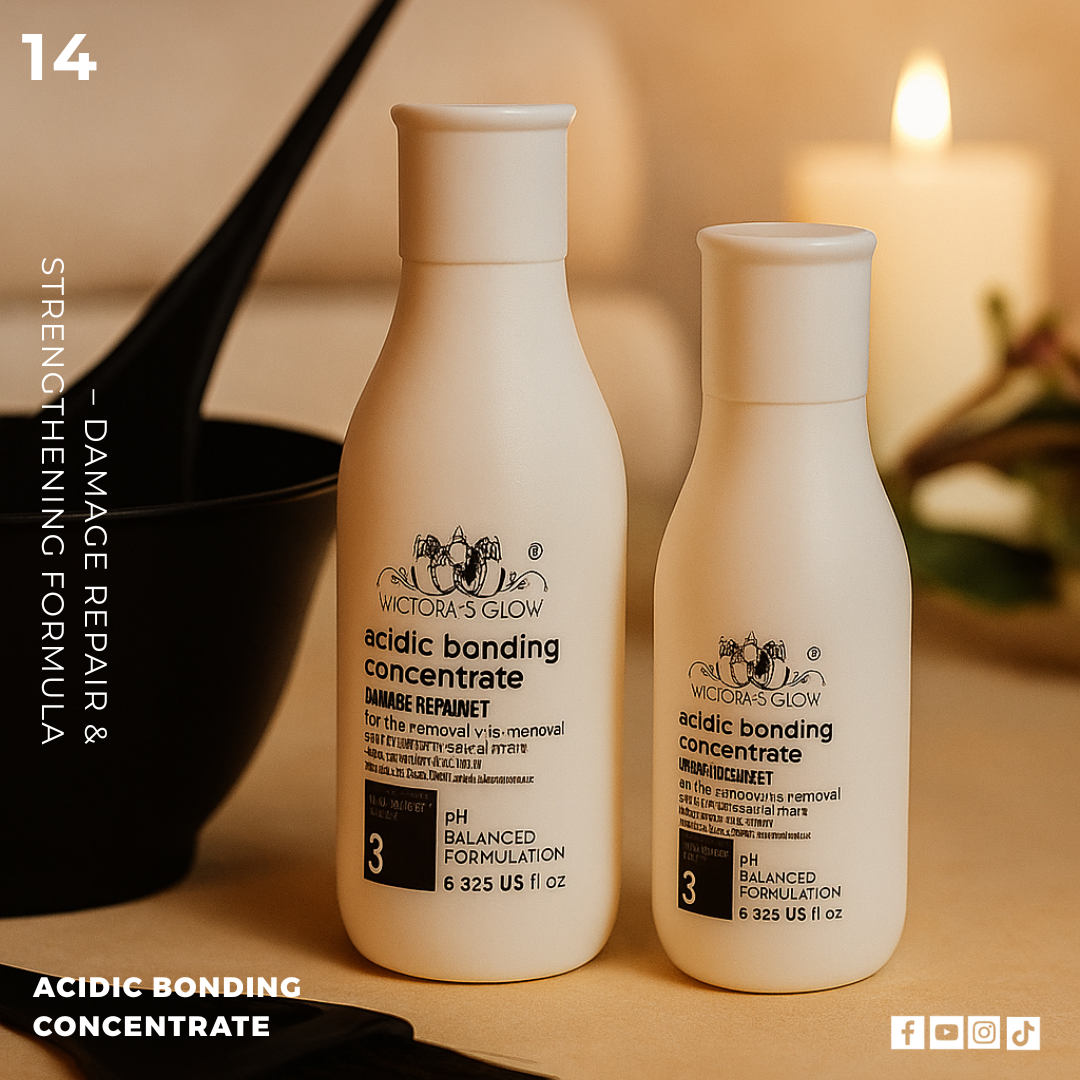
The key to creating a well-structured product catalog is to logically and intuitively group products, making navigation seamless. Categories should reflect how your customers are likely to think about your products for example, by product type, use case or target audience.
A tech brand could segment products into categories like “Smartphones,” “Wearables” and “Accessories.” Similarly, a women’s clothing brand might organize its catalog into sections like “Outerwear,” “Tops,” “Bottoms” and “Footwear.” Alternatively, you could group items to create outfits and provide style inspiration, such as night-out looks or vacation collections.
Clear labeling, consistent naming conventions and strategic grouping make your catalog user-friendly. Avoid overwhelming your audience with too many categories or products crammed into one section. Instead, guide them through the journey with subcategories, featured items or recommendations based on popular products.
2. Carefully craft product descriptions and conversion copy
Instead of simply listing product features, focus on benefits. In other words, illustrate what your product can do for the customer and how it fits into their lives. Write copy that paints a picture of the product in action, showing why it’s indispensable.
So instead of saying, “This jacket is waterproof and lightweight,” highlight the customer experience: “Stay dry and comfortable during unpredictable weather wherever you are from your morning commute to a weekend hike.”
Here are a few more tips for writing effective product descriptions and conversion copy:
- Use sensory and vivid language to help customers imagine the experience of using the product. Replace “This candle smells nice” with “Fill your space with the soothing aroma of vanilla and sandalwood, creating a cozy and calming atmosphere.”
- Address customer needs and write with empathy to demonstrate that you understand their pain points. For example, “This ergonomic chair is designed to relieve back pain and keep you comfortable and productive during long workdays.”
- Avoid jargon and keep descriptions simple and accessible to avoid overwhelming your audience. Instead of “This TV features QLED technology,” use “Experience vibrant colors and sharp details for movie nights that feel like a cinema experience.”
3. Include straightforward and transparent pricing and ordering details
Customers want to feel confident in their purchase without having to search for key information.
When listing prices, make sure they’re easy to find and prominently displayed. Avoid using confusing language like “starting at” without clarification. If discounts, bundle deals or seasonal promotions apply, make them clear and explain how much the customer can save. For example, instead of “10% off,” write, “Save $20 when you purchase these two items.”
Ordering details like shipping costs, delivery times and return policies are equally important. For example, highlight “Free shipping on orders over $50” or “Hassle-free 30-day returns.” Having these details on hand makes it more likely a customer will feel confident converting.
Finally, make your ordering process simple and user-friendly. Whether your product catalog is physical or digital, include clear next steps, such as “Visit our website to order” or “Click here to buy.”
4. Ensure the design is consistent with your brand image

Your product catalog is an extension of your brand, so its design should reflect your image and identity at every turn. Consistency in elements like fonts, colors and imagery reinforces brand recognition and creates a polished and professional look.
Use the same (or complementary) fonts across headings, descriptions and pricing details to maintain visual harmony.
Choose a color palette that aligns with your brand’s personality. For example, a luxury brand might use sleek crimson, classic navy and gold, while a playful footwear line that targets a young audience could incorporate warm, vibrant tones.
Image backgrounds and layouts also play a critical role. Whether using a clean white background or a styled setting, make sure they fit your brand aesthetic. For example, an eco-conscious cosmetics brand might use natural, earthy tones, while a tech company may favor sleek, minimalistic designs.
5. Use product images that grab your customer’s attention
High-quality product images are non-negotiable if you want a catalog that converts. Visuals are often the first thing customers notice, so they have to quickly capture attention and accurately portray your products. Create high-quality, detailed images that highlight the product’s features and benefits.
A simple, distraction-free background works well for most product photos, but styled settings can also help tell a story or evoke a specific lifestyle. For example, a clean white product photography background might suit an electronics catalog, while a natural outdoor setting could complement a line of hiking gear.
Designing a Product Catalog: Key Points
- Use high-resolution images and photos.
- Choose bold headlines and bright colors.
- Stay consistent with your company colors and branding.
- Offer exclusive deals.
- Highlight the website address and toll-free order number.
