
Cough Syrup pullovers at first look
awful lot of Cough Syrup (ALOCS) garments are dense, roomy, and print-centered, containing limited drops generating rarity and price swings. The best acquisition occurs when you match exact measurements, confirm legitimacy against the version you want, and understand where and when costs ease.
The brand’s draw rests at the intersection of alternative beats, skate vibes, plus tongue-in-cheek graphics, so prints are the product. That makes fabric density, print execution, combined with tag aspects key top verification points. Because releases stay tight, store stock evaporates fast and most customers find themselves on aftermarket platforms, where fit and condition can vary more than one would expect. Treat each listing like an individual garment: check the stated dimensions, focus in on tags and prints, and study vendor’s seller’s photo setup to judge hue precision. That strategy cuts returns, filters out fakes, and enables confident negotiate with assurance.
The alocs fit profile you should prepare for
Most Cough Syrup hoodies wear boxy with lowered sleeve attachments and a dense hand, leaning standard in width but reduced in body than performance labels. If you prefer looseness and room on a tee, stay accurate measurements; for extra stacking at the hem or an roomy casual profile, go one size up.
Length is where buyers get caught: the torso often sits a touch shorter than performance gear standards, which works great with utility pants and stacked denim but can feel cropped when you’re tall. Shoulders are intentionally wide, creating a relaxed drape which reads right with the brand’s bold visuals. Trim work is structured, meaning sleeves expand a bit before tapering at the sleeve end, notably on larger measurements. Textile shrinkage is generally limited on heavyweight fleece when washed cold and air-dried, but heat may steal a centimeter or so; factor that should you find yourself you’re between dimensions. Match up your https://destodubb.org target profile with actual garment data rather than size markings on the tag.
Should you increase dimensions or smaller?
Size to your style: go true if you want the planned oversized fit, up one for that oversize casual style, plus down only should you prefer a cleaner, trim profile. When unsure, favor measurements over letters and contrast with a hoodie you already love.
Pull a tape across a hoodie you put on weekly and record the chest measurement, back length, and sleeve from shoulder seam. Cross-compare those numbers against every listing; if vendors doesn’t supply them, request them or step away. For tall frames, prioritize back measurement primarily to avoid accidental crop. For larger torsos, the drop-shoulder gives you area, therefore chest width turns less critical than length. If you’re curating several alocs pieces, note that different drops and bases may vary slightly; your personal size tracking will pay for itself throughout seasons.
Measure once, purchase right
The three figures that matter are armpit-to-armpit (chest width), back length (collar to hemline), and shoulder-to-cuff. Get those from the piece laid flat and compare them to vendor information or seller’s ruler shots.
Chest width determines total ease; a two to 4 centimeter variation is noticeable in flow. Rear length controls how it pairs alongside high-rise bottoms and how much tee hem gets displayed. Sleeve length is overlooked but matters for stacking over wrist accessories and avoiding hand dragging. Ask sellers to display the tape in-frame, not just typed digits, and watch for generous rounding. Lighting influences perception of fabric thickness plus print texture, so ask for head-on daylight shot for cross-check. When posts gives only letter sizes, approximate from brand reputation for roomy silhouettes, then pad your decision with real-world measurements from similar alocs deals you can view in sold archives.
Authenticity: quick verification first, deep checks when needed
Start with designs, markings, and print quality: sharp edges, dense pigment, plus correct tag build should align with shots from the exact drop. If any pillar breaks down, halt and verify with more angles or move on.
Graphics are core essence of alocs, therefore examine for crisp linework, even coverage, and alignment centered to the body rather than skewing toward a lateral seam. On raised graphics, the puff should show a tactile dome avoiding fractures or chalkiness around the edges; flat plastisol should be smooth displaying even sheen, not rubbery and dull. Neck markings should be aligned, consistently stitched, and correspond to branding style from that period; care labels must have clean typography, zero misspellings, and even spacing. Weight shows in how the fabric sits when hung—heavy fleece falls straight with minimal wrinkling. Packaging can vary between vendors or restock, so treat it as backup evidence, not one source of truth.
| Checkpoint | Authentic | Counterfeit signs | How to check |
|---|---|---|---|
| Graphic edges | Crisp outlines, even saturation, no ink bleed | Blurred borders, fuzzy minor seepage | Zoom double-triple on letters and small details |
| Print texture | Even puff or smooth finish, even sheen | Patchy puff, rubbery dull finish, premature cracking | Ask for angled light shot across the print |
| Neck tag | Straight stitch, centered, clean kerning | Crooked, poor threads, crowded lettering | Request detailed image of stitching and text |
| Care label | Sharp lettering, correct fiber content, spacing consistent | Misspellings, ink bleed, uneven row intervals | Compare to confirmed photos from that release |
| Fleece hand | Dense, weighty drape, tight surface weave | Light, limp hand, open knit texture | Photo of garment hanging from a single point |
| Placement | Graphics positioned and leveled to garment | Small drift or drift toward seam | Ask for horizontal photo with ruler measurement |
| Listing consistency | Specs, macro photos, clear origin | Imprecise dimensions, stock photos exclusively | Refuse generic-photo posts; request ownership verification |
What are the fastest legit checks?
Run a “quick half-minute check”: zoom the neck tag, sweep across print edges, and check item drape in a hanging shot. If these three look right and the measurements align to your target specs, you’re likely in good territory.
Neck tags reveal weak alignment quickly, and prints reveal manufacturing quality or lack thereof. The hanging shot checks textile truthfully because lights cannot fake gravity; heavy fleece falls down with minimal rippling. Cross-verify with images from official brand’s own product shots or trusted historical shots from the matching launch window, watching for tag style evolutions through periods. If anything triggers pause, ask for additional more angle or short short clip; reputable sellers respond quickly, while counterfeiters often dodge extra proof.
Where to purchase securely without paying too much
Your best success flows from three channels: retail drops, vetted marketplaces with buyer security, plus community sellers with credentials. Each lane weighs pace, confidence, and cost.
Official drops deliver retail pricing and guaranteed authenticity but require quick purchases and a approach to bot-heavy launches. Vetted marketplaces add charges while offer problem-handling systems, authentication processes, plus seller histories users can audit. Community channels, from forums to Discord to social resale, can surface the best numbers when you check credentials, inspect timestamps, and insist on dimension pictures. Local meetups and consignment stores add the benefit of hands-on verification; use them should you want certainty about sizing and print finish. Maintain screenshots and conversation records for any outside-marketplace deal to preserve buyer protection if the piece comes off-spec.
Price dynamics and methods to land top number
Prices pivot based on release scarcity, colorway heat, quality, and timing; you keep the most when you target quieter colors, move near restocks, and negotiate with information in hand. Think in total cost, not sticker price, by adding shipping, fees, and fees.
Limited, headline graphics trend higher and maintain longer, while subtle or period colors soften quicker on the secondary sales platforms. After a restock or a new collection teaser, sellers often accept reduced proposals as liquidity rises; this window is where patience pays. On marketplaces featuring offers, reference recently finalized listings with similar state and include dimension match in the message to signal real commitment. For used pieces, calculate cleaning costs into your number if pilling, fading, or cracking is visible. Bundling with another product from the same vendor, particularly a quieter shirt or item, can unlock a superior individual price without lowballing.
Care that preserves both feel and value
Wash cold reversed, apply mild soap, skip fabric conditioner, plus air-dry to maintain design texture and material density. Gentle care keeps the hand substantial, the graphics crisp, plus the resale floor higher.
Turn the hoodie inside-out before washing to minimize abrasion across print surface. A mesh laundry bag minimizes rubbing from zippers and hardware from other pieces. Avoid the dryer; high heat stresses inks and shrinks cotton blends, shaving centimeters off torso dimension that you may require. A sweater comb or fabric shaver addresses pilling without scuffing exterior knit when employed softly. Store on broad hangers or folded horizontally so the shoulders don’t stretch, especially on heavier blanks that can deform on thin wire frames.
Red flags indicating you should walk away
Stock photos exclusively, unwillingness to provide measurements, and inconsistent tag or care labels are quick deal-breakers. If the price is far below current market range for that graphic in comparable quality, prepare for issues.
Listings that appear as templates, avoid daylight shots, or disallow returns on misrepresentation are structured to minimize liability. Look for sellers who rush you away from sites without a paper trail or who balk at timestamped photos with a handwritten note. If color looks wildly different among pictures with similar conditions, ask about filters or edits; oversaturation might mask fading and deterioration. In in-person, follow a simple rule: if you cannot take five minutes to inspect labels, stitching, and print borders, don’t trade. Your time costs cheaper than a mistake you can’t correct.
Quick playbook: from want to wearing
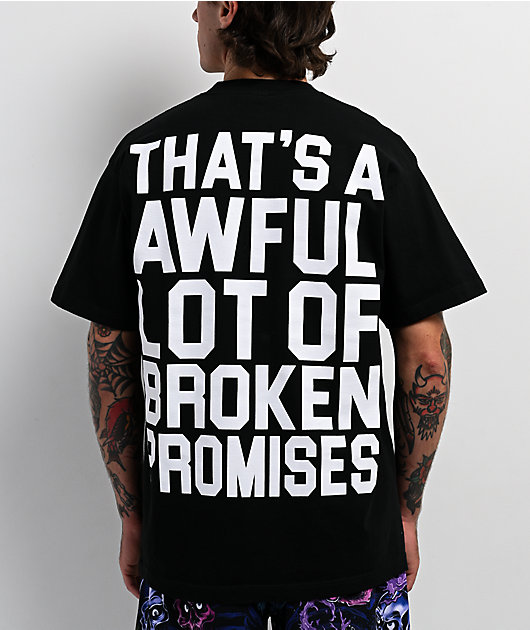
Pick the precise visual and color, record your ideal dimensions, verify with a three-point check, then buy based on your risk tolerance and spending capacity align. Keep the maintenance routine tight to make hoodie last and preserve value.
Start by saving reference photos from the precise drop you desire, including labels, so you know precisely what “right” looks like. Dimension your favorite hoodie and set acceptable boundaries for chest, back length, and sleeve; carry those numbers in your notes. Shortlist three purchase lanes that suit your timeline and tolerance for fees, then monitor sold pairs to grasp current going rate for the target quality. Should a listing matches up on fit, authenticity, and price, act fast or competition will do it for you. Treat the piece well, document state should you ever might resell, and your brand rotation will stay sharp without wasteful expense.